
How NOT to Drive in Winter Weather
Winter driving has its challenges. But throw an inexperienced — or inconsiderate — driver into the mix, and your daily commute can get much more difficult.
It’s always aggravating when other drivers put you at risk. Getting stuck behind a driver who is spinning their tires or not paying attention isn’t just annoying… it’s dangerous.
Winter driving calls for quick decision making, patience and a little bit of know-how. Below you’ll find ways to spot a rookie winter driver — and how to avoid looking like one yourself:
Here are six common mistakes of winter drivers:
- Tailgating: Usually, drivers tailgate because they want the car in front of them to go faster. This is never OK, especially in the winter months. It takes longer to come to a stop in the winter, so you should always put more distance between you and the car ahead. Impatience on the road rarely pays off – tailgating just puts you and others at risk.
- Speeding: Speeding can get you into trouble quickly. Make sure you’re never driving faster than what is safe for the conditions. In snowy or icy conditions, that probably means driving below the speed limit. The faster you’re going, the more likely you are to lose control or slide into another car. Expect traffic to move a little slower in the winter and allow extra time to get to your destination.
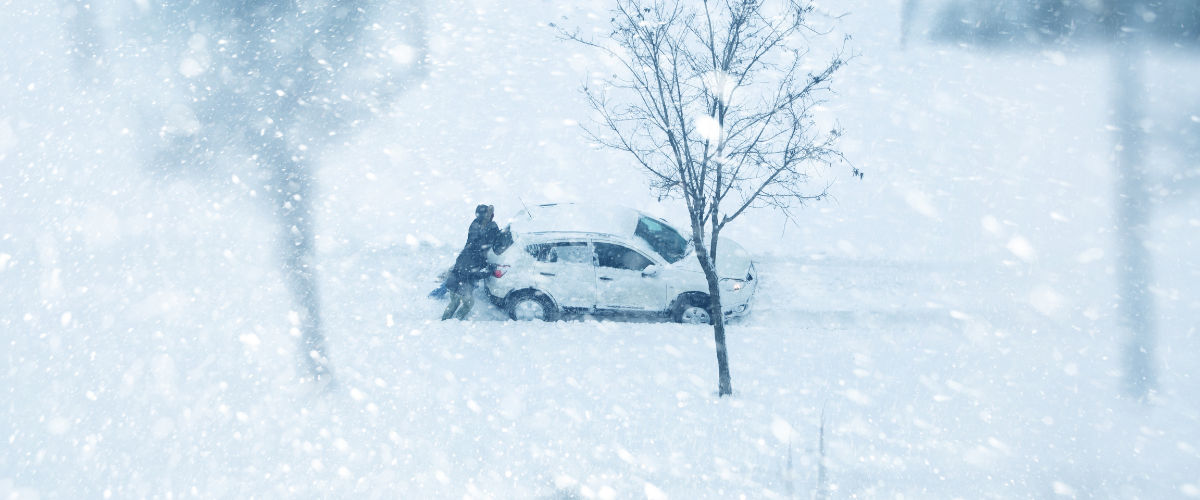
- Getting stuck: Driving through deep snow may sound like fun, but chances are it will leave your tires spinning. For your own safety, know when to stay off the road altogether and drive carefully to avoid losing traction in the first place. After all, getting stuck is easy – getting out isn’t.
- Ice on the windshield: If your car has snow or ice on the windshield, it can be tempting to save time by letting your wipers or defroster remove it as you drive. But driving without full visibility is like driving blindfolded. Use a snow brush or ice scraper to clear your windshield entirely every time you get behind the wheel. (And don’t just clear a little “window” you can see through!)
- Snow on the roof: If you’ve ever driven behind someone with snow on their roof, you know it can be an accident waiting to happen. If your car is covered in snow, take the time to clear your roof before you tackle the windows. You’ll keep snow from falling in your field of vision and from hitting the drivers behind you.
- Driving with high beams on: This can be frustrating in any condition, but some people think that high beams will increase your vision during whiteouts or heavy snowfall. In fact, fog lights and low beams will do much better.